
A Guide to Modern Intrusion Alarm Systems
Security concerns arise without warning. Intrusion alarm systems detect unwanted entry. Sensors monitor doors, windows, and other access points. When activity is detected, alerts are triggered immediately. Some systems connect with monitoring services for added awareness. These systems are common in homes and commercial properties.
Modern intrusion alarm systems include sensors, control panels, and alert devices. Each component plays a role in security monitoring. Understanding these features helps explain system operation. Continue reading to learn how these systems work. Explore common components, benefits, and security applications.
225-535-3731
How Different Alarm System Features Work Together
Intrusion alarm systems include several features that manage security events. Some features control how and when alarms activate. Security zones allow separate monitoring of different areas of a property. Entry and exit delays allow users time to enter or exit before alarms activate.
Other features track system activity and maintain operation. Event logs record alarm events and system actions for later review. Backup batteries keep the system operating during power outages. Together, these features create a more organized and consistent monitoring process.
Key Components Inside Security Alarm Systems
An alarm setup uses multiple connected components. Each component performs a specific security task. These parts detect activity, process signals, and respond to events. Together, they form a complete monitoring system. Key components of an intrusion alarm system include:
Control Panel
Manages communication between all system parts
Entry Sensors
Identify changes at doors and windows
Motion Detectors
Detect movement within covered areas
Alarm Sound Units
Trigger audible alerts during events
User Interfaces
Provide system control through a keypad or an app
Power Supply Unit
Provides primary and backup power flow
Everyday Places That Use Alarm Systems
These systems appear in many types of properties. They monitor entry points and movement inside spaces. Homes install them for door and window monitoring. Offices install them for access control and activity tracking. Commercial spaces extend coverage across wider areas. Industrial sites cover storage and equipment areas. Schools and banks include them for added monitoring. Public buildings include them for access awareness. If you need more details, reach out to us.
Exploring Different Alarm System Setups
Alarm systems vary in how devices connect and communicate. Some work through wiring, others through wireless signals. Each setup processes alerts differently based on its design. These differences match systems with different security needs. Common types of intrusion alarm systems include:
- Wired systems: Connect sensors through cables
- Wireless systems: Use radio signals for communication
- Hybrid systems: Combine wired and wireless parts
- Monitored systems: Send alerts to monitoring centers
- Unmonitored systems: Trigger local alarms only
- Smart systems: Connect with apps for monitoring
What to Consider Before Installing an Alarm System
Before installing an intrusion alarm system, several factors need to be reviewed. Property size and layout guide device placement for proper coverage. Entry points like doors and windows need careful planning. Power and backup options affect system operation. Wired or wireless setup changes installation planning. Alert and monitoring options also must match security needs.
Essential Systems in Modern Properties
Different properties need different security planning based on movement and access. Monitoring varies by activity and layout. Proper planning matches systems with spaces. Certified Alarms offers these services for different needs:
Homes often combine cameras, motion sensors, and monitoring systems for entry awareness.
Businesses install cameras, access control, and intrusion detection for area monitoring.
Early detection systems identify smoke or fire conditions and trigger alerts for response.
Core Benefits of Security Alarm Systems
Security systems improve monitoring across properties. They detect entry attempts and track movement. Alerts notify when unusual activity occurs. System events are recorded for later review. These functions improve monitoring in homes and businesses. Key benefits of intrusion alarm systems include:
- Detects entry attempts early
- Sends alerts during security events
- Helps monitor doors and windows
- Covers multiple areas in a property
- Works in homes and businesses
- Records activity for later review
Start Planning Your Alarm System Today
Monitoring needs change across different properties and activity levels. Intrusion alarm systems track movement at entry points and register unusual activity. They also keep records of events for later review. Different setups match different layouts and security requirements.
If you need guidance on selecting or installing an intrusion alarm system, our professional assistance is available. Contact us to learn more or request assistance for your property.
225-535-3731
Alarm System FAQs
What triggers an intrusion alarm system?
Sensors trigger alarms when doors, windows, or protected areas detect unauthorized movement or entry attempts.
Can intrusion alarm systems work during power outages?
Yes, many systems include backup batteries that allow continued operation during power interruptions.
What is the difference between monitored and unmonitored systems?
Monitored systems send alerts to external monitoring services, while unmonitored systems activate local alarms only.
Do intrusion alarm systems record activity?
Some systems store event logs that track alarms, alerts, and system actions for later review.
How is system design important for performance?
Proper design ensures correct sensor placement, better coverage, and fewer missed activity detections.
Read What Our Customers Say


I have had Certified Alarm System for many years. The service has been excellent. I have had very few problems but when I did they were prompt to reply & come out to my house if necessary. I have the regular alarm system plus cameras, glass breakers, motion detectors & on my phone even when away from home so home on my phone.
We have been a customer of Certified Alarm System for a few years now. They have outstanding customer service and can answer any and all questions thoroughly. I would recommend Certified Alarm Systems to anyone looking for a quality alarm.
We have had Certified Alarms for 20 years. It has been a great service. They have helped us update our system to be able to control it when we are away from home with the new WiFi services. We recommend them to our family and friends!! Great friendly service!
Awards and Affiliations





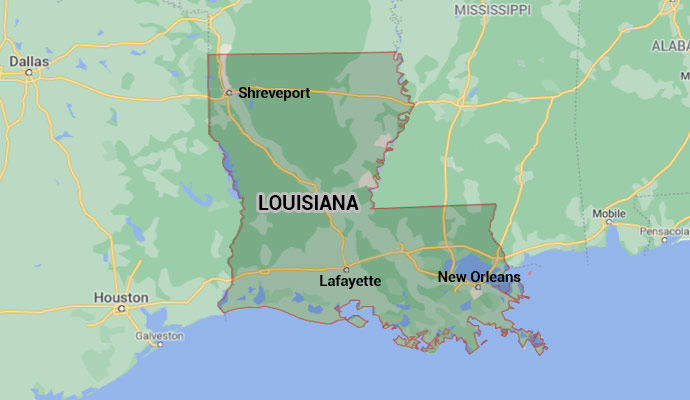
- Abbeville
- Abita Springs
- Acme
- Addis
- Aimwell
- Akers
- Albany
- Alexandria
- Ama
- Amaudville
- Amelia
- Amite
- Anacoco
- Angie
- Angola
- Arabi
- Arcadia
- Archibald
- Ashland
- Athens
- Atlanta
- Avery Island
- Baker
- Baldwin
- Barataria
- Barksdale AFB
- Basile
- Baskin
- Bastrop
- Batchelor
- Baton Rouge
- Belcher
- Bell City
- Belle Chasse
- Belle Rose
- Belmont
- Bentley
- Benton
- Bernice
- Berwick
- Bethany
- Bienville
- Blanchard
- Bogalusa
- Bonita
- Boothville
- Bordelonville
- Bossier City
- Bourg
- Boutte
- Boyce
- Braithwaite
- Branch
- Breaux Bridge
- Brittany
- Broussard
- Brusly
- Bunkie
- Buras
- Burnside
- Bush
- Cade
- Calhoun
- Calvin
- Cameron
- Campti
- Carencro
- Carville
- Castor
- Cecilia
- Center Point
- Centerville
- Central
- Chalmette
- Charenton
- Chase
- Chataignier
- Chatham
- Chauvin
- Cheneyville
- Choudrant
- Church Point
- Clarence
- Clarks
- Clayton
- Clinton
- Cloutierville
- Colfax
- Collinston
- Columbia
- Convent
- Converse
- Cotton Valley
- Cottonport
- Coushatta
- Covington
- Creole
- Crowley
- Crowville
- Cullen
- Cut Off
- Darrow
- Delcambre
- Delhi
- Delta
- Denham Springs
- Dequincy
- Deridder
- Des Allemands
- Destrehan
- Deville
- Dodson
- Donaldson
- Donner
- Downsville
- Doyline
- Dry Creek
- Dry Prong
- Dubach
- Dubberly
- Dulac
- Duplessis
- Dupont
- Duson
- Echo
- Edgard
- Effie
- Egan
- Elizabeth
- Elm Grove
- Elmer
- Elton
- Empire
- Enterprise
- Epps
- Erath
- Eros
- Erwinville
- Estherwood
- Ethel
- Eunice
- Evangeline
- Evans
- Evergreen
- Fairbanks
- Farmerville
- Fenton
- Ferriday
- Fisher
- Flatwoods
- Flora
- Florien
- Fluker
- Folsom
- Fordoche
- Forest
- Forest Hill
- Fort Necessity
- Fort Polk
- Franklin
- Franklinton
- French Settlement
- Frierson
- Galliano
- Garden City
- Gardner
- Garysville
- Geismar
- Georgetown
- Gheens
- Gibsland
- Gibson
- Gilbert
- Gilliam
- Glenmora
- Gloster
- Glynn
- Golden Meadow
- Goldonna
- Gonzales
- Gorum
- Grambling
- Gramercy
- Grand Cane
- Grand Chenier
- Grand Coteau
- Grand Isle
- Grant
- Gray
- Grayson
- Greensburg
- Greenwell Springs
- Greenwood
- Gretna
- Grosse Tete
- Gueydan
- Hackberry
- Hahnville
- Hall Summit
- Hamburg
- Hammond
- Harrisonburg
- Harvey
- Haughton
- Hayes
- Haynesville
- Heflin
- Hessmer
- Hester
- Hineston
- Hodge
- Holden
- Homer
- Hornbeck
- Hosston
- Houma
- Husser
- Ida
- Independence
- Innis
- Iota
- Iowa
- Jackson
- Jamestown
- Jarreau
- Jeanerette
- Jena
- Jennings
- Jigger
- Jones
- Jonesboro
- Jonesville
- Joyce
- Kaplan
- Keatchie
- Keithville
- Kelly
- Kenner
- Kentwood
- Kilbourne
- Kinder
- Kraemer
- Krotz Springs
- Kurthwood
- La Place Labadieville
- Lacassine
- Lacombe
- Lafayette
- Lafitte
- Lake Arthur
- Lake Charles
- Lake Providence
- Lakeland
- Larose
- Lawtell
- Lebeau
- Leblanc
- Lecompte
- Leesville
- Lena
- Leonville
- Lettsworth
- Libuse
- Lillie
- Lisbon
- Livingston
- Livonia
- Lockport
- Logansport
- Longleaf
- Longstreet
- Longville
- Loranger
- Loreauville
- Lottie
- Luling
- Lutcher
- Madisonville
- Mamou
- Mandeville
- Mangham
- Mansfield
- Mansura
- Many
- Maringouin
- Marion
- Marksville
- Marrero
- Marthaville
- Matthews
- Maurepas
- Maurice
- Melrose
- Melville
- Mer Rouge
- Meraux
- Mermentau
- Merryville
- Metairie
- Milton
- Minden
- Mittie
- Monroe
- Montegut
- Monterey
- Montgomery
- Mooringsport
- Mora
- Moreauville
- Morgan City
- Morganza
- Morrow
- Morse
- Mount Airy
- Mount Hermon
- Napoleonville
- Natalany
- Natchez
- Natchitoches
- Negreet
- New Iberia
- New Llano
- New Orleans
- New Roads
- New Sarpy
- Newellton
- Noble
- Norco
- Norwood
- Oak Grove
- Oak Ridge
- Oakdale
- Oberlin
- Oil City
- Olla
- Opelousas
- Oscar
- Otis
- Paincourtville
- Palmetto
- Paradis
- Patterson
- Paulina
- Pearl River
- Pelican
- Perry
- Pierre Part
- Pilottown
- Pine Grove
- Pine Prairie
- Pineville
- Pioneer
- Pitkin
- Plain Dealing
- Plaquemine
- Plattenville
- Plaucheville
- Pleasant Hill
- Pointe A LaHache
- Pollock
- Ponchatoula
- Port Allen
- Port Barre
- Port Sulphur
- Powhatan
- Prairieville
- Pride
- Princeton
- Provencal
- Quitman
- Raceland
- Ragley
- Rayne
- Rayville
- Reddell
- Reeves
- Reserve
- Rhinehart
- Ringgold
- Roanoke
- Robeline
- Robert
- Rodessa
- Rosedale
- Roseland
- Rosepine
- Rougon
- Ruby
- Ruston
- Saint Amant
- Saint Benedict
- Saint Bernard
- Saint Francisville
- Saint Gabriel
- Saint James
- Saint Joseph
- Saint Landry
- Saint Martinville
- Saint Maurice
- Saint Rose
- Saline
- Sarepta
- Schriever
- Scott
- Shongaloo
- Shreveport
- Sibley
- Sicily Island
- Sieper
- Sikes
- Simmesport
- Simpson
- Simsboro
- Singer
- Slagle
- Slaughter
- Slidell
- Sondheimer
- Sorrento
- Spearsville
- Springfield
- Springhill
- Starks
- Start
- Sterlington
- Stonewall
- Sugartown
- Sulphur
- Summerfield
- Sun
- Sunset
- Sunshine
- Swartz
- Tailsheek
- Tallulah
- Tangipahoa
- Taylor
- Test Kentwood
- Theriot
- Thibodeaux
- Tickfaw
- Tioga
- Transylvania
- Trout
- Tullos
- Tunica
- Turkey Creek
- Uncle Sam
- Urania
- Vacherie
- Varnado
- Venice
- Ventress
- Vidalia
- Ville Platte
- Vinton
- Violet
- Vivian
- Wakefield
- Walker
- Washington
- Waterproof
- Watson
- Welsh
- West Monroe
- Westlake
- Westwego
- Weyanoke
- White Castle
- Wildsville
- Wilson
- Winnfield
- Winnsboro
- Wisner
- Woodworth
- Youngsville
- Zachary
- Zwolle
